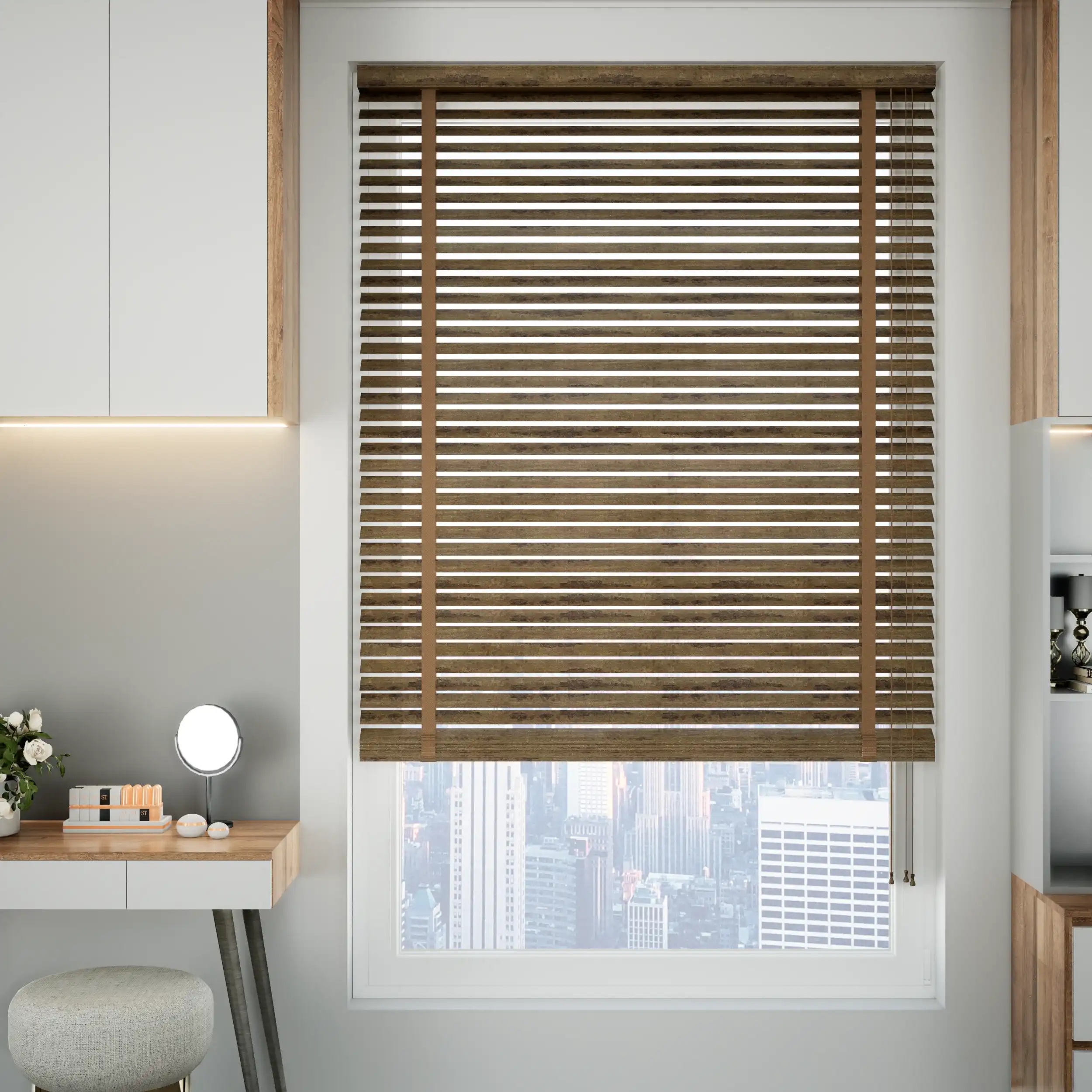
Australia is a country that can be described as having diverse climates. The scorching, dry heat in Alice Springs is unlike the thick humidity of Cairns rainy season. Both are a world far from the salinated wind that strike the Brighton Beach house. It's not just for weather reports that this profound regional variation is present. It's an important aspect to think about when selecting window furnishings. Blinds that are based solely on an image, with no consideration of the local environmental conditions can lead to premature fading corrosion or warping. Blinds should be as robust as the lifestyle you lead. This means they should be designed specifically to meet the specific demands of your area.
The failure mechanisms are distinctive and inflexible. In the humid tropics and sub-tropics of Queensland and Northern NSW, the enemy is moisture within the air. The constant high humidity is an all-encompassing swift force. It seeks the organic materials causing wood slats that haven't been treated to expand, warp or tie. This causes mould and mildew to form on cotton and certain linens. This leads to unpleasant smells and stains. Metal components like cords or chains are susceptible to rusting in time if not coated properly. The idea here is to resist corrosion through synthetic, inert materials.
In these conditions your blinds selection should rely heavily on modern composites and polymers. PVC (vinyl) and faux wood Venetian blinds are champions of humid climates. The materials aren't porous and they are not able to absorb moisture which means that warping and microbial growth are non-issues. Aluminum Venetians that have a powder-coated finish can be a great option for a sleek appearance without rust. If you want a softer look, think about synthetic fabric Roman or roller blinds. They are generally constructed from solution-dyed polymers or acrylics. These fibers, which are resistant to water in their natural state, are usually treated with antimildew chemicals. Natural fibers without lining and real wood are best avoided unless they've been treated specifically to be used in high humidity situations.
However, in the hot and arid inside of the continent from Broken Hill up to parts of Western Australia the UV radiation is strong and temperature swings are massive. The sun here can do more than simply illuminate the room. It also degrades chemically materials. Fabrics fade with time and plastics can develop fragile. Additionally, the continuous expansion of fittings, mechanisms, and cooling from hot days to cool evenings can cause stress. In this environment, UV stability is the most important issue.
The selection of materials must be based on their sun resistance. Materials that are outdoor-rated even when they are used indoors, are a wise investment. These are made using yarns such as solution dyed acrylic (often under brand names like Sunbrella) and contain the color embedded in the polymer. Therefore, they're extremely resistant to fade. Blinds for rollers need to include a UV protection coating, both for the furniture and the blinds. Aluminum slats work well but you must ensure that all parts of the hardware made of plastic are UV-stabilised grades. The key point here is color selection dark colours are more prone to heat absorption and be degraded faster under extreme sunlight and lighter shades reflect heat and tend to keep their look longer in the face of intense UV light.
The coastal zone is also a part of it. This is a narrow and densely populated region where the air is a mix of sand and salt sprays. Metals are hacked with unstoppable force in this corrosive climate. If the coating of the metal roller cassette or an aluminum slat is inferior and deteriorates, it'll soon exhibit signs of pitting or oxidised finishes. The sand carried by the wind is an abrasive that microscopically cleanses surfaces.
The specifications for homes that are located in coastal areas should be strict. Marine-grade aluminium or stainless-steel components are non-negotiable for any metal component including the headrail and the tilt wand. You should look for products with the "coastal-friendly" or "salt air friendly" rating. This means that fittings have been subjected to specific coating or anodizing processes for example, the marine grade powder coat. PVC Acrylic fabric, PVC and composite"faux wood" all can withstand salty air. You should avoid all ferrous substances (ordinary steel) and make sure that the screws you use for installation as well as any wall anchors you choose to use are made of stainless steel. This will help prevent ugly rust streaks appearing on your walls.
Beyond these three broad zones, there are microclimates to consider. Melbourne's southern-facing balcony has to endure cold and damp conditions. The window facing west of an Adelaide home receives a fierce afternoon sun. It is at this point that a local service provider who has the right knowledge becomes invaluable. They have seen, in real houses over the years the things that work and what does not work in the particular location you live in. They know what powder coats do in Bribie, and which fabrics resist fading best in Perth.
Ask specific questions about your location to motivate the audience: "I’m only three streets away from the beach in Sorrento, does this mean that I should get the marine-grade product?" What is the most TSER fabric (Total Solar Energy Resistant) you offer that guarantees high-quality colour for my sunroom facing west in Penrith? They should base their answer on their local knowledge and not just a generic product sheet.
The goal of evaluating blinds from the viewpoint of climate suitability, is to create value over the long term. This will also give you peace of mind. The distinction is between a blind that is simply a temporary décor and one that will be an integral part of your home. The Australian environment can be challenging, but modern technology can handle the requirements. If you choose blinds that are specifically designed to fit the backyard window, you're not simply buying a window dressing. You are investing in something that will last for a long time, look stunning and work well every season. It is, essentially, the most practical type of design: style that is built to endure regardless of where you live. Follow the top rated blinds for site info including all the blinds, blinds online direct, door blinds, blinds measurements, blinds direct online, blinds first, custom blinds australia, blinds measurements, blinds direct blinds, custom shaped blinds and more.

The Most Important Thing To Consider Is What Happens Once Your Blinds Have Been Put In Place?
In the Australian blinds market the moment of installation can be a satisfying finish line. The blinds are unveiled and furniture is put on your windows, and the installer departs. But for a daily-used product that will be exposed to the sun's harsh rays and last at least a decade it's not the end of the road. It's just the beginning. It is crucial to remember that the second section of your contract, which is typically not recorded includes after-sales services. It covers the quality and care of the installation and the recommendations on how to maintain it. A transaction is transformed into an ongoing relationship, and the true character of a provider is revealed.
The most important and first element of the after-sales support is installation. Installers are more than just fitters; they're the final check on the quality of your blinds. Their work quality can directly influence the longevity and efficiency of your blinds. If you select an established company and the installer is an employee of that service or a subcontractor who has a proven track record. It's not just a random person who is hired via an online platform. They will arrive with the proper tools to install your home, no matter if you're using double bricks steel studs, steel studs or concrete. Not only do they install all required child safety devices, but also give you the necessary parts. They show you how to operate every blind in a safe manner, such as how to attach cords to cleats and how to create wireless remotes. Then, they clean it up by making sure there's no dirt. Before they leave, they should give a contact point--a direct phone number or email address to the office in your local area and not a nationwide call centre. This level of finish will be the first time you'll have a real sense of aftercare.
When the installer has left The second step is proactive maintenance guidance. Blinds aren't something you simply "install and forget". Their life span is determined by the way you clean and care for them. A supplier who is interested in your satisfaction in the long run will not let this be left to chance. The contract should contain written care instructions for the chosen material. These aren't general instructions and are personalised advice: the best microfiber fabric as well as pH-neutral cleaners for your solar protection fabric; an advice against using oil-based polishes for timber Venetians blinds; a timetable for vacuuming honeycombs blinds in order to avoid dust build-up within the cells. They may give tips on how to adjust your blinds for the seasons. For example they may suggest that you check the tension of your cord before the summer season. Also, make sure that motorized window blinds remain connected to their chargers. This is to avoid common problems that can lead premature wear and warranty claims. This demonstrates that the company views your blinds not as an one-time purchase however, rather as an ongoing investment.
There will be a time when you'll need access to support for repairs even if you have maintained and installed your device in a proper manner. A cable could break, motors may slow down, or a panel may be damaged. This is the most crucial check of your supplier's post-sales ethics. The question to ask is whether they have an effective local system for customer service. A reputable company has a dedicated service coordinator or a local contact who is familiar with the history of your employment. They should have the ability to identify problems via phone, schedule a service visit from a specialist with standard parts and honor warranty claims without fighting. The alternative--a supplier who subcontracts repairs to an anonymous third-party handyman, or sends you to an offshore manufacturer's website--creates frustration, delays, and frequently, a substandard repair.
This support structure will be especially vital for motorised or intelligent systems. This is due to the fact that technology could create a new layer of complexity. Does the supplier employ a technician who is educated to identify problems that arise with the connection between your blind motors as well as the home hub? Are they able to upgrade the firmware or repair a power pack? Their after sales capabilities should be at the same level as the products they sell. If a company sells automated products but doesn't have the technical support needed to maintain it has left you with a potential risk.
It is crucial when selecting potential suppliers. Do not just ask "Is the warranty and installation covered?" Ask specific scenarios-based questions. For instance, "If I experience an issue with my blinds 6 months after installation, what's the process?" Who should I call first? "Do you stock spares for your motors on-site or do you need them shipped from abroad?" If you need to repair your warranty Do you charge an out-of-hours fee? Their answers will indicate the quality of their preparation. A confident, concise response that includes an area contact as well as assures timely service is an indication of their reliability.
The importance of a dependable after-sales services is ultimately measured in peace of mind and durability. It protects your investment. Blinds that are easily adjusted and repaired by their original suppliers last longer than blinds that become inoperable at the point an issue of minor severity develops. It can save you money as it avoids the need for expensive replacements when a few minor repairs are enough.
In the Australian marketplace that is where homes constructed to last a lifetime, and interiors can be substantial investment, having a long-term perspective is important. Inherently, the supplier with a physical store, local installers on staff and a well-established reputation in your area will be more responsible. They offer a full service offering, from skilled fitting, expert advice and prompt repair. If you select a company like this, you are not only buying a blind, but securing an ongoing partnership. You're ensuring that the view of your choice now will be perfectly frame for years to come You can be at ease knowing that should the cord gets damaged or the remote ceases to function simply a simple phone call is all it takes. The unwritten clause of the contract is this assurance.